
A major iOS update is always exciting — new features, a fresh look, and better performance. But here’s the truth most people learn the hard way. Jumping into a big update without preparation can lead to serious trouble. We’re talking about data loss, failed installations, endless update errors, or even display problems on certain iPhone models. If you don’t prepare your iPhone for iOS 28 before updating, you could end up with a broken phone. You might see a green or white screen — or nothing working the way it should.
That’s exactly why you should take a few minutes to prepare your iPhone for iOS 28 properly. Do it before tapping that update button. In this guide, I’ll walk you through everything you need to do first. First, you’ll check which iPhones are compatible and make sure you’re on the right iOS version. Next, you’ll create a proper backup and free up storage space. Finally, you’ll learn how to avoid the most common mistakes people make on update day. Follow these steps, and you’ll be able to update safely and securely. You’ll also know whether you should update right away or wait.
Which iPhones Support iOS 28?
Before you do anything else, confirm your iPhone can actually run the new version. The rule is simple: every iPhone that could be updated to iOS 26 can also be updated to iOS 28.
The oldest compatible models are the iPhone 11, iPhone 11 Pro, and iPhone 11 Pro Max. If you own an iPhone XR or anything older, unfortunately your device will not receive this update.
Here’s the full compatibility list:
- iPhone 11 series (11, 11 Pro, 11 Pro Max) — the oldest supported models
- iPhone 12 series (12, 12 Mini, 12 Pro, 12 Pro Max)
- iPhone 13 series (13, 13 Mini, 13 Pro, 13 Pro Max)
- iPhone 14 series (14, 14 Plus, 14 Pro, 14 Pro Max)
- iPhone 15 series (15, 15 Plus, 15 Pro, 15 Pro Max)
- iPhone 16 series (16, 16 Plus, 16 Pro, 16 Pro Max)
- iPhone 17 series (17, 17 Pro, 17 Pro Max, and iPhone Air)
Many people ask specifically about the iPhone 15. But think about it logically: if the iPhone 11 from several years ago is receiving the update, then the iPhone 15 obviously will too. Same goes for the 16 and 17 series. If your iPhone appears on this list, you can prepare your iPhone for iOS 28 and update with full confidence.
Step 1: Make Sure You’re on the Right iOS Version
The very first thing to verify before updating is your current version. You need a version from which the update path works correctly. On the wrong version or a misconfigured beta channel, the stable iOS 28 update might not even appear for you.
On your iPhone, go to Settings → General → Software Update. This screen shows your current iOS version and whether the iOS 28 update is available.
Here’s how it breaks down:
- On any version of iOS 18: you will receive the iOS 28 update.
- On any version of iOS 26: you will receive the iOS 28 update. (iOS 26.6.2 was the latest iOS 26 release.)
- On a beta version of iOS 28: you will still receive the final iOS 28 — but read the beta note below carefully.
A Note for Beta Users
Beta users, this part is important. If you enrolled in the Developer Beta or Public Beta, you may have installed the Release Candidate (RC) version. In that case, the public stable update may not show up afterward — and that’s completely normal. The RC (Release Candidate) is the final version of the update. It’s pushed out slightly early so developers can test it. In most cases, the RC build and the stable build are identical. That means you already have the final version installed.
But sometimes the RC build number differs slightly from the stable build number. In that case, here’s what to do. Go to Settings → General → Software Update → Beta Updates and turn beta updates off. Turn off both iOS 28 beta and iOS 26 beta if enabled. Then go back to the Software Update screen and check again. If the iOS 28 update appears now, install it. You’ll get the proper stable build even though you already tried the RC.
And if no update appears after turning beta updates off? Don’t worry. It simply means the RC you installed is identical to the stable release, so you’re already done. Just leave beta updates off. When the next public update arrives (for example, iOS 28.0.1), you’ll receive it normally like everyone else.
Step 2: Back Up to Prepare Your iPhone for iOS 28
This is the single most important step to prepare your iPhone for iOS 28. It’s also the one people regret skipping the most. Let me explain why with a real example.
Imagine you start the update and something goes wrong. Your phone shows a green screen or a white screen, and the display stops working. Now how do you get your data? You might get the display repaired at a local shop. But if you take it to Apple for an official display replacement, they format the entire device. It’s part of the repair process. Everything — years of photos, family videos, messages, documents — gone, unless you made a backup beforehand.
It gets worse: what if the motherboard gets damaged, or the phone breaks completely during a repair? Without a backup, your data is simply lost forever. That’s why creating a backup before updating is non-negotiable.
There’s a second reason backups matter: downgrading. After a major iOS release, Apple keeps signing the previous iOS version for some time before stopping. If you try iOS 28 and don’t like it, you can go back to iOS 26. Maybe the battery life bothers you, for example. But here’s the catch: to restore your data after a downgrade, you need an older backup. It must have been made while you were still on iOS 26. A backup made after updating won’t restore properly onto the older version. So whether you’re on iOS 18 or iOS 26 right now, create that backup before you update.
How to Prepare Your iPhone for iOS 28: Backing Up
Option 1: Back up with a computer (the best method)
Connect your iPhone to a Mac or Windows PC with a cable. On a Mac, open Finder and select your iPhone; on Windows, use iTunes (or the Apple Devices app). This creates a complete, encrypted backup of everything — including your passwords, health data, and all app data. It’s the most thorough backup you can make. For step-by-step screenshots, see Apple’s official backup guide.
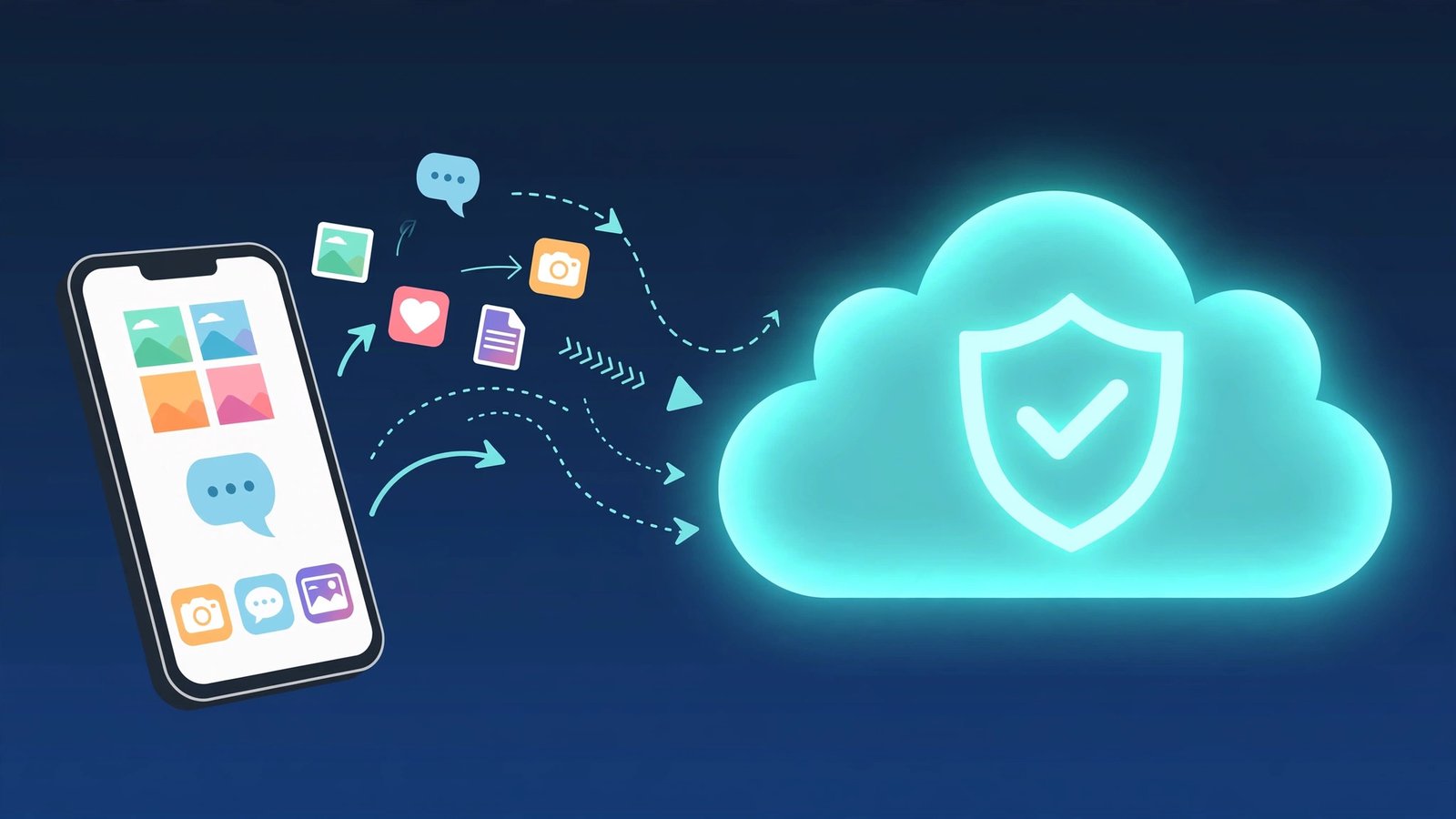
Option 2: Free iCloud backup without a computer
I know many people don’t own a Mac or a Windows PC, so here’s a simple trick that costs nothing:
- On your iPhone, go to Settings → General
- Scroll all the way down to Transfer or Reset iPhone
- Tap Prepare for New iPhone → Get Started
- You’ll see a message explaining that Apple provides extra temporary iCloud storage to move your apps and data — tap Continue, then mark it as Done
Your iPhone will now start preparing a full backup to iCloud. You can watch its progress right in Settings, just above the Airplane Mode toggle. It might finish in a minute or take up to an hour depending on how much data you have. Either way, do it over Wi-Fi.
Here’s the best part. No matter how much storage your iPhone has — even a 2TB model — this backup is completely free. Apple gives you this temporary iCloud space so people can migrate to a new iPhone. But it works perfectly as a pre-update safety net too. The backup stays stored in your iCloud for 21 days. That’s more than enough time to install iOS 28 and test everything for a couple of weeks. Then you can decide whether to keep it or downgrade. And it costs you absolutely nothing.
Step 3: Free Up Storage Space
Here’s something people overlook when they prepare their iPhone for iOS 28: storage space. If your iPhone is nearly full, two bad things happen. First, creating a backup takes much longer. Second, when you try to install the update, your phone may throw a “Low Storage” error and refuse to proceed.
As a practical rule: if your iPhone is 90–95% full, you need to clear space. If about half your storage is free, you have nothing to worry about. For example, say you’ve used 250GB of a 512GB iPhone.
Offload Apps to Prepare Your iPhone for iOS 28
Now, you don’t have to delete your precious photos and videos. The smart move is to offload unused apps instead. Here’s the difference. Deleting an app wipes its data too, but offloading removes only the app itself. All its data and documents stay safe on your phone.
Let me show you with a real example. Say you have a game like Minecraft installed. You don’t want to lose your worlds and progress — you just need the space temporarily. Here’s what to do:
- Go to Settings → General → iPhone Storage
- You’ll see an option called Offload Unused Apps — you can enable it to let the iPhone handle this automatically. Doing it manually gives you control, though.
- Scroll through the list and find a large app you rarely use — for example, Minecraft
- Tap it, then tap Offload App — do NOT tap Delete App
When you want it back, you’ll see a Reinstall option right there in the storage settings. Even simpler: the app icon stays on your Home Screen with a small cloud symbol next to it. After your update is done and everything works, just tap that cloud icon. The app reinstalls itself, and everything returns exactly as it was — you don’t even need to sign in again.
Do this for every large app you can live without for a few days — games, streaming apps, anything bulky. It’s the fastest, safest way to carve out the gigabytes iOS 28 needs.
Step 4: Charge Up, Stay Cool, and Use Wi-Fi
Three simple rules for update day that will save you from the most common disasters:
- Charge to 80–90% beforehand — then unplug. This one is especially critical if you own an iPhone 13 or 14 series model, particularly the Pro versions. These models have a known display weakness. Excessive heat during an update can trigger the infamous green screen or white screen problem. There are documented cases. iPhone 13 Pro units have developed a white screen without any update at all — just from display defects. So the risk is real even in normal use. Apple did replace these displays for free for a long time, but that isn’t guaranteed, especially out of warranty. So charge your phone to 80 or 90% before you start. Do NOT leave it connected to the charger while the update installs. Keep the phone cool and let it breathe.
- Use fast Wi-Fi — never mobile data. iOS updates are several gigabytes in size. Trying to download one over mobile data is asking for trouble. It’s slow, it can stall, and a corrupted download file can brick the installation midway. It’s completely fine to wait a day or two. Do the update where you have decent Wi-Fi: at home, a friend’s place, or the office. Even a café with public Wi-Fi works. Somewhere in your life you have Wi-Fi access; use it. Your update will download and install smoothly in one clean go.
- Be patient and don’t interrupt. Once the download starts, let it finish. Don’t restart the phone midway, don’t toggle settings randomly — just let iOS do its job.
What to Expect After Updating to iOS 28
Going in with the right expectations will save you from panic. Here’s what’s normal:
Battery life will feel lower at first. This is the most common complaint after every major iOS release, and iOS 28 is no exception. On iOS 26, your iPhone gave you around seven hours of active screen time. On the early iOS 28 builds, expect roughly five hours. The phone will still last you through the day — maybe a day and a half with light use. Heavy screen-on time will drain faster, though. The good news: Apple Intelligence features are the biggest drain. So iPhones that don’t support the full AI feature set tend to fare somewhat better. And later updates (28.0.1 and beyond) historically improve battery efficiency, so this usually gets better with time.
Storage usage jumps noticeably. On iPhones with full Apple Intelligence support, the numbers add up fast. You need roughly 16GB for iOS itself, another 13GB for Apple Intelligence data, plus around 16GB of System Data. That’s over 45GB before you’ve installed a single app, and System Data alone can creep toward 20GB. On a 512GB, 1TB, or 2TB iPhone, this is manageable. On a 128GB or 256GB model that’s already nearly full, however, this storage footprint can become a genuine problem. That’s another reason Step 3 (freeing space) matters so much.
Battery Health and Minor Bugs
Battery health may “drop” — but it’s recalibration. After updating, don’t be alarmed if your Battery Health percentage ticks down 1–2%. What actually happens is that iOS recalibrates its battery estimate whenever a new version is installed. It re-checks the battery against its cycle count. For example, a phone at 100% health with 200 charge cycles was probably due for a small drop anyway. The update just made the system recalculate and display the new figure. A battery is a chemical component; its capacity fades gradually with use no matter what. A 1–2% change after an update is normal and not a sign that the software damaged anything.
Minor bugs exist. Early builds have quirks. Some users report a network issue, for instance. Toggling off Wi-Fi while on 5G with Wi-Fi Calling causes the cellular signal to drop. These modem-level glitches typically get fixed in subsequent updates, but it’s worth knowing they exist.
Should You Update to iOS 28 Right Away?
Here’s my honest advice. If you’re excited and your iPhone is prepared, there’s nothing stopping you from updating on day one. But the smarter play is to wait three or four days — especially if you rely on your phone daily. Read reviews of the final version from people who’ve tested it, then update once the picture is clear.
Remember the trade-offs: lower battery backup in the early builds and significantly higher storage usage on Apple Intelligence-capable phones. Plus the usual crop of minor bugs. If none of that bothers you, go ahead. If your storage is tight or you’re sensitive about battery life, wait for iOS 28.0.1 or later. It’s the wiser choice. Either way, you took the time to prepare your iPhone for iOS 28. So you’ll be updating from a position of safety: backed up, with free space and no surprises.
FAQs
Will I lose my data if I update to iOS 28?
Not if you back up first. iOS updates are designed to preserve everything on your phone. But a backup (see Step 2) removes 100% of the risk. That includes worst cases like display repairs that wipe the device.
Can I go back to iOS 26 if I don’t like iOS 28?
Usually yes, but only for a limited window while Apple still signs the older version. Signing doesn’t stop the day the new version launches. You’ll need a backup made before updating to restore your data properly afterward.
Is it safe to update an iPhone 13 Pro or 14 Pro?
These specific models carry a known risk of green or white screen issues, particularly when the phone overheats. To prepare your iPhone for iOS 28 safely on these models, follow these rules. First, charge to 80–90% beforehand and do NOT charge during the update. Also keep the phone cool, use Wi-Fi, and absolutely create a backup first.
How much free space do I need before updating?
Aim for at least 10–15% of your total storage free. Offload large unused apps (Step 3) rather than deleting photos or app data.
Will my battery health decrease because of the update?
A 1–2% change is normal recalibration, not damage. Batteries degrade chemically with use over time. The update just triggers the system to recalculate and show the current figure.
Can I update over mobile data?
Technically sometimes possible, but strongly discouraged. iOS updates are multiple gigabytes; use fast Wi-Fi to avoid corrupted downloads and failed installs.
Final Words: Prepare Your iPhone for iOS 28
That’s the complete playbook to prepare your iPhone for iOS 28. First, confirm your model is compatible and verify your iOS version and beta settings. Next, create a full backup — the free iCloud method works great — and offload apps to free up space. Finally, update over fast Wi-Fi with a charged, cool phone. Ten minutes of preparation can save you from data loss, broken updates, and expensive repairs.
If this guide helped you, check out our other iPhone walkthrough for more easy, step-by-step help. For example, learn how to transfer data from Android to iPhone. And if you run into any problem we didn’t cover, let us know. The genuinely tricky ones might just earn their own article.